Home > About Us > Blog > Blog > What Is the Difference Between Factory Testing and Third-Party Testing?
Jul. 21, 2026
For medical and rehabilitation device brands, product testing is not only about passing a report. It is also about reducing risk, controlling cost, and shortening the development timeline. In mobility aid manufacturing, both factory testing and third-party testing play important roles, but they are not the same.
Factory testing is usually performed by the manufacturer during product development and production. Third-party testing is performed by an independent laboratory or certification body. Understanding the difference helps brands plan testing more efficiently and avoid unnecessary delays.
What Is Factory Testing?
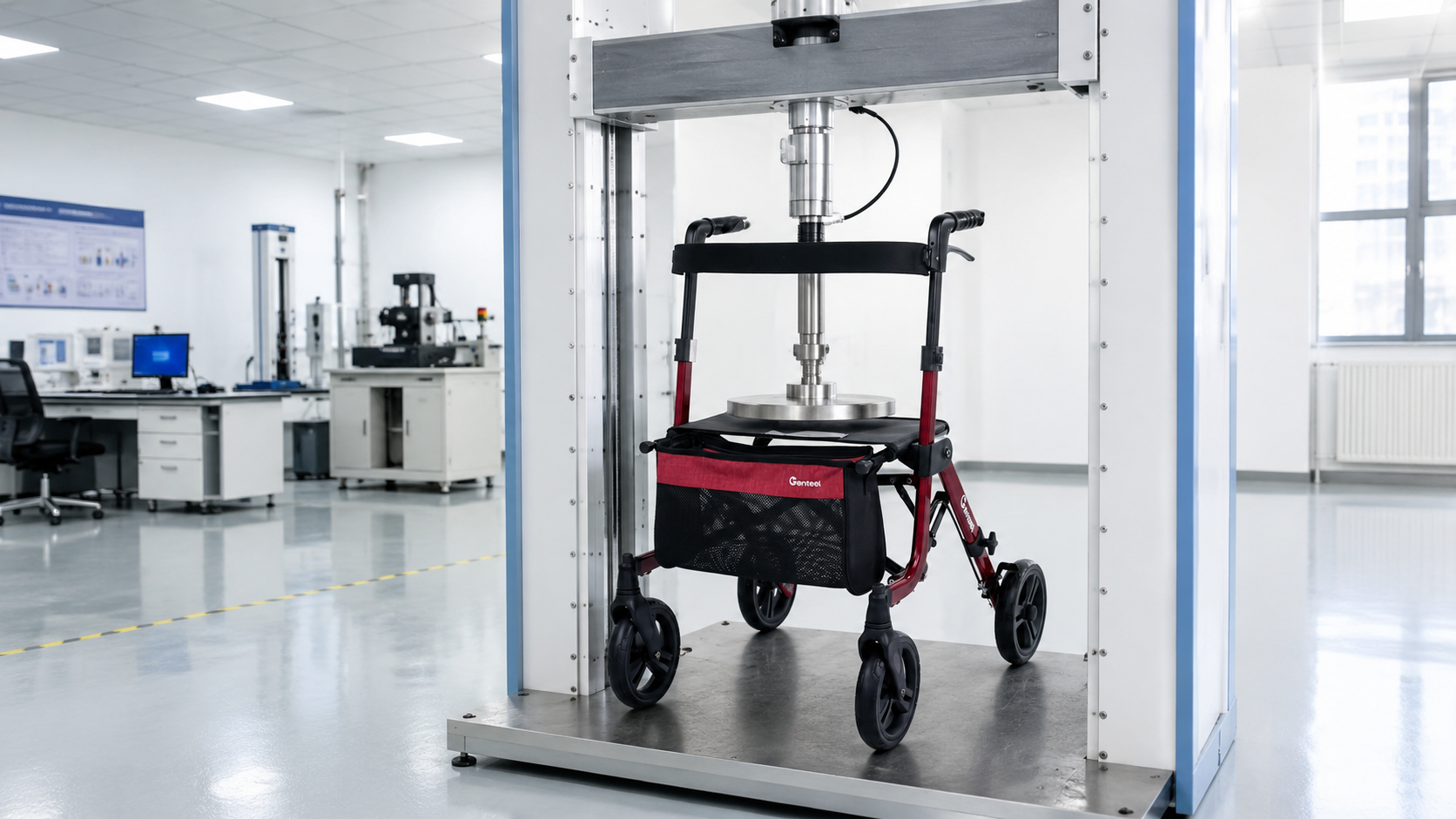
Factory testing is especially useful during OEM and ODM development because design changes are common at the sample stage. If problems are found internally, the team can correct them faster and at a lower cost.
However, third-party testing usually takes more time and costs more money. If a product fails during external testing, the brand may need to revise the design, remake samples, pay for retesting, and delay the launch schedule.
Third-party testing is used to confirm product performance through an independent organization. It provides external evidence and stronger credibility, but it is usually less flexible and more expensive.
Factory testing helps find problems early.
Third-party testing helps prove results externally.
Factory testing supports development and cost control.
Third-party testing supports certification, compliance, and customer confidence.
The two are not replacements for each other. A strong testing strategy should use factory testing before third-party testing.
Factory testing also helps improve communication between engineering, production, and quality teams. When problems are found early, solutions can be tested quickly before mass production.
The best approach is not choosing one over the other. The best approach is using factory testing to prepare the product, then using third-party testing to confirm the final result.
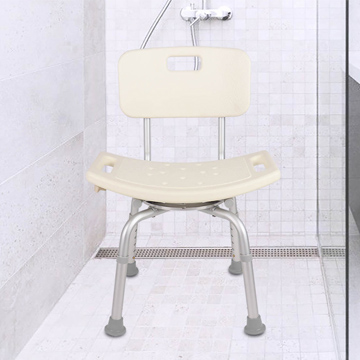
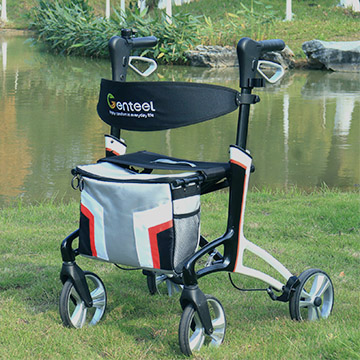
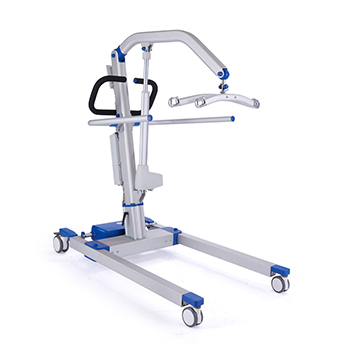
For rollators, walkers, shower chairs, commode chairs, patient lifts, and other rehabilitation products, factory testing helps reduce development risk before external testing. This allows brands to move through product development more efficiently and avoid unnecessary retesting costs.
For medical device and rehabilitation brands, the most efficient strategy is to combine both. Internal testing helps prepare the product before formal submission, while third-party testing confirms that the final product meets required standards and market expectations.
FAQ
Factory testing is internal testing performed by the manufacturer to check product structure, safety, durability, packaging, and production quality before third-party testing or mass production.
Third-party testing is testing performed by an independent laboratory or certification body to provide objective test results for compliance, certification, or customer approval.
No. Factory testing helps find and fix problems early, but third-party testing is still needed when independent reports or certification evidence are required.
How does factory testing save time and money?
Factory testing can identify design or quality issues before formal testing, reducing the risk of failed third-party tests, repeated sample changes, retesting fees, and project delays.
Keywords
factory testing
third-party testing
internal testing
in-house testing
mobility aid testing
medical device testing
rehabilitation device testing
OEM mobility aid manufacturing
ODM mobility aid manufacturing
rollator testing
walker testing
shower chair testing
commode chair testing
patient lift testing