Jul. 07, 2026
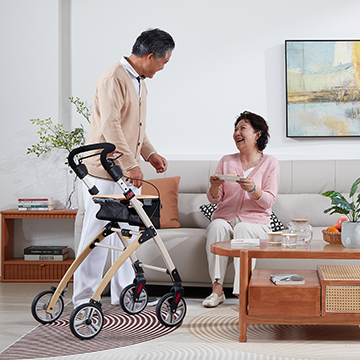
Mobility aids for seniors are becoming a more important part of homecare, rehabilitation, and long-term elderly care. This trend is not only driven by population aging, but also by clear changes in how older adults want to live, recover, and maintain independence.
According to the World Health Organization, assistive technology enables people to live healthy, productive, independent, and dignified lives, and is especially important for older people, people with disabilities, and people with chronic health conditions. The WHO also states that assistive products help maintain or improve an individual’s functioning and independence.
Market data also shows continued growth. Fact.MR estimates that the global walking assist devices market will reach USD 7.6 billion in 2026 and USD 15.6 billion by 2036, with a projected CAGR of 7.4% during the forecast period. Market Data Forecast estimates that the global rollator walker market will grow from USD 90.31 million in 2026 to USD 142.10 million by 2034, at a CAGR of 5.83% from 2026 to 2034.
For medical device and rehabilitation brands, these numbers point to one clear direction: mobility aids for seniors are shifting from basic support products to safer, more ergonomic, more scenario-based, and more brand-differentiated solutions.
Home-Based Care Is Driving Product Demand
For brands, homecare-friendly design is no longer optional. It is becoming a core product strategy.

Stability, Fit, and User Confidence Matter More
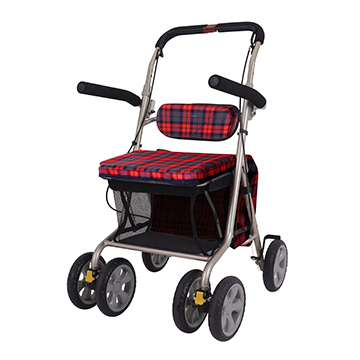
For rollators and walkers, important design factors include frame strength, brake reliability, ergonomic grips, suitable handle height, smooth wheels, and appropriate weight capacity. A product that looks simple still needs careful engineering.
Lightweight and Foldable Designs Remain Important
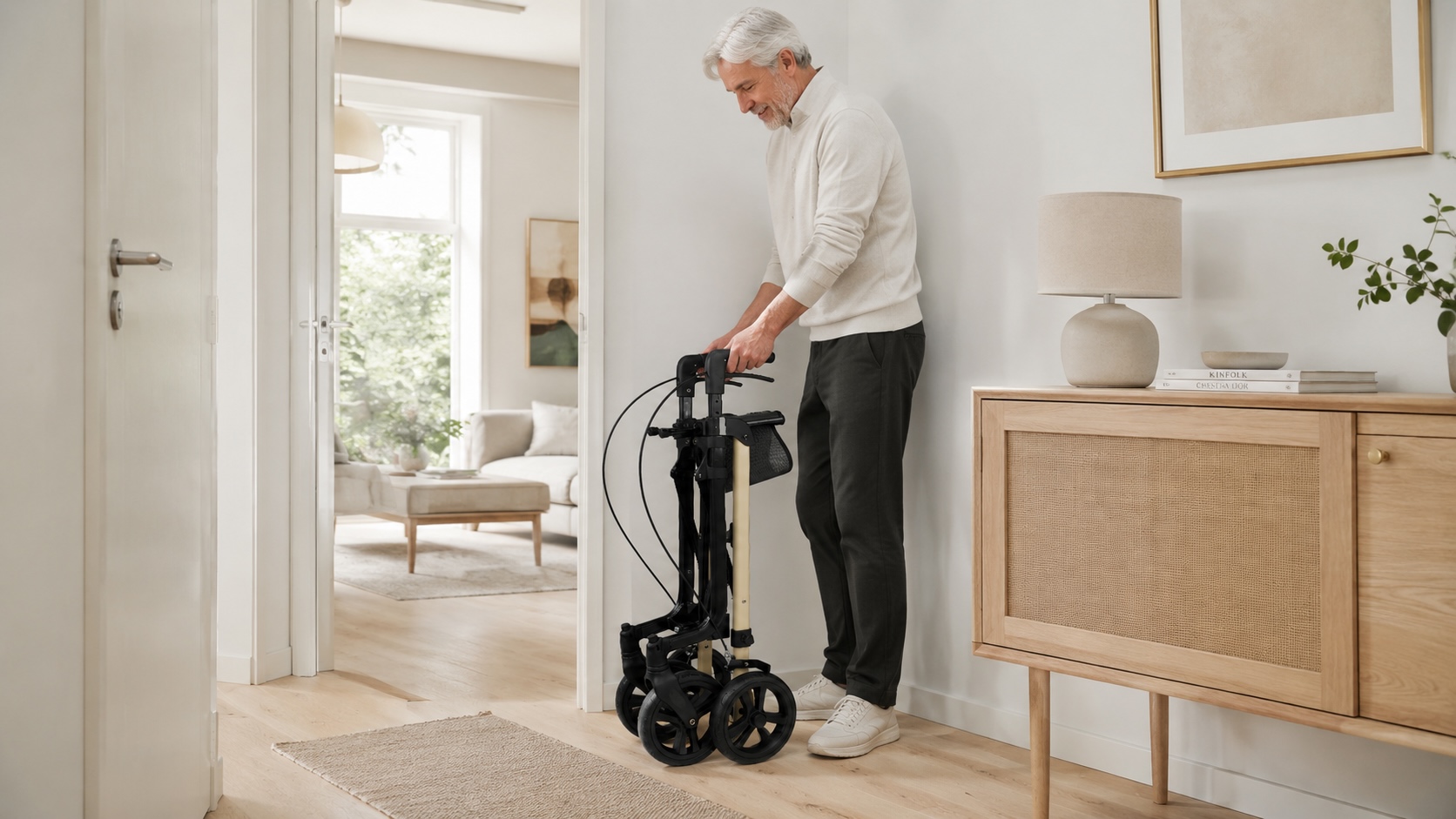
The best mobility aid products combine strength, stability, and easy handling.
Scenario-based Product Development is Becoming more Important
For OEM and ODM projects, this creates more opportunities to customize structure, configuration, wheel size, frame color, packaging, and labeling for different markets.
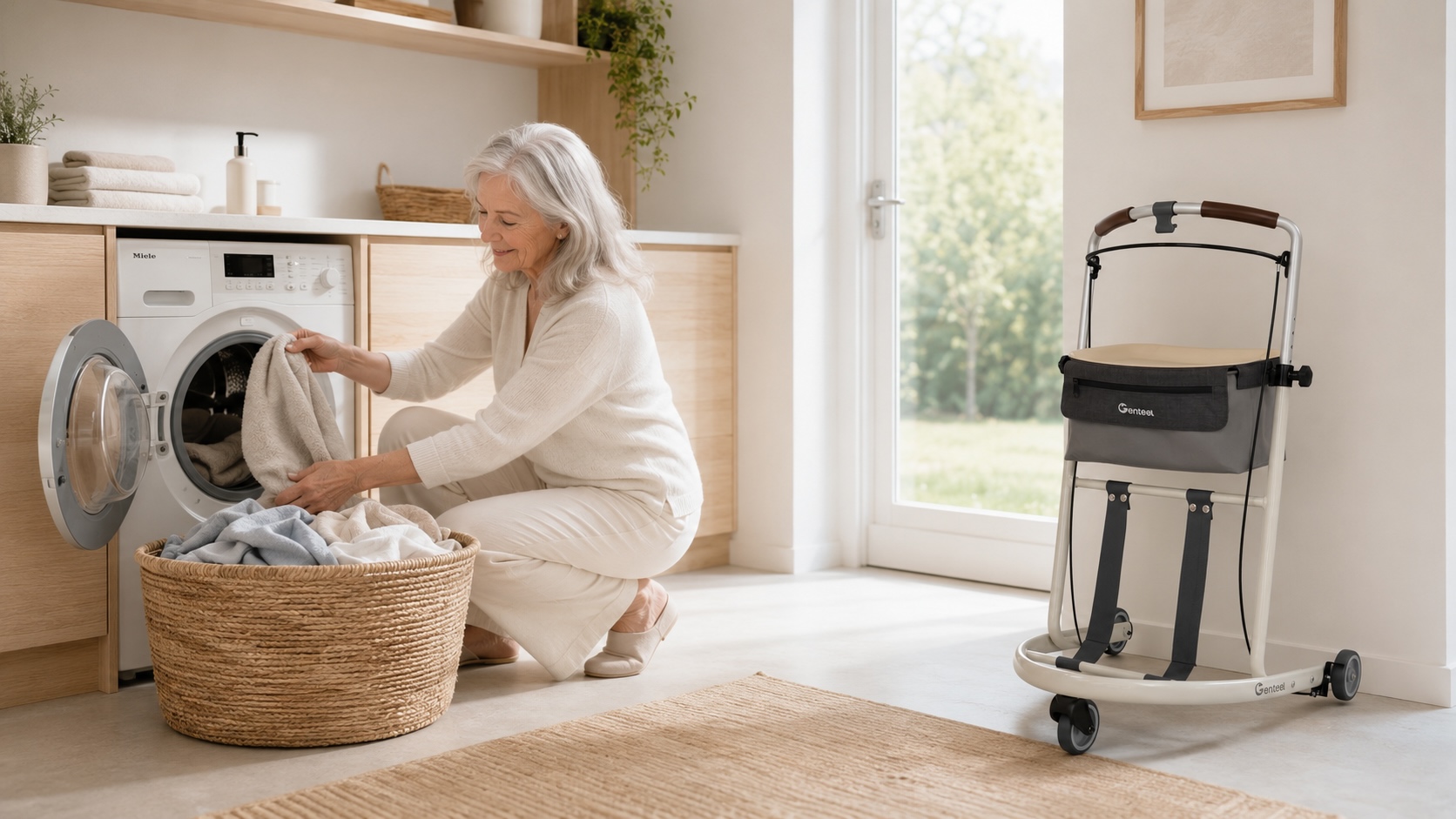
Design and Brand Differentiation Are Becoming More Valuable
For brands, appearance design, color, material finish, logo application, and packaging all influence market positioning. A well-designed rollator, walker, or shower chair can help a brand stand out in a competitive rehabilitation equipment market.
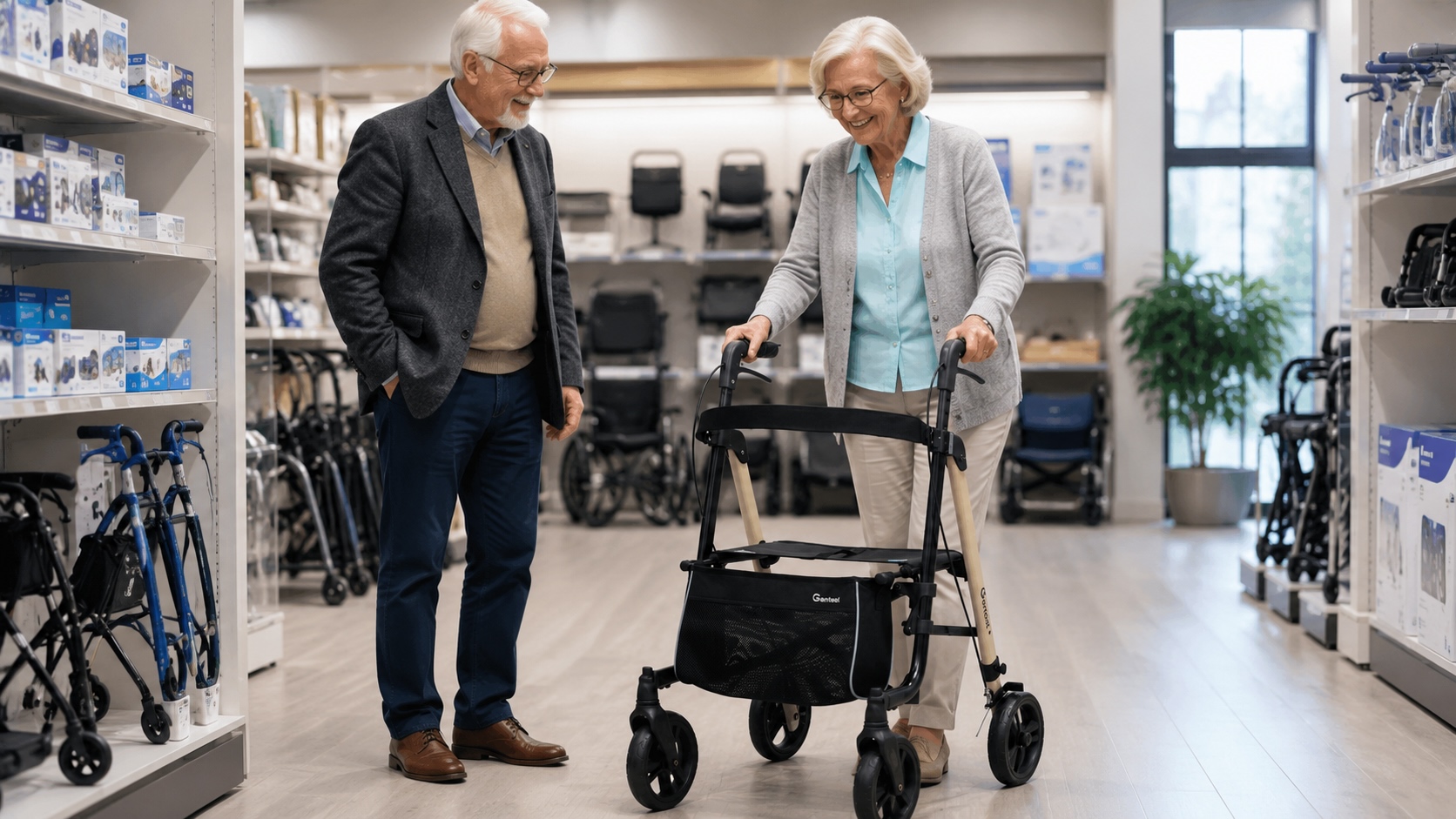
Smart Features Need Practical Value
Smart mobility aids are gaining attention, especially features such as fall alerts, GPS tracking, sensors, and caregiver connection. Global Market Insights identifies technological advancement, including AI integration, IoT-enabled devices, GPS tracking, and fall detection systems, as one of the key growth drivers in the senior mobility aid devices market.
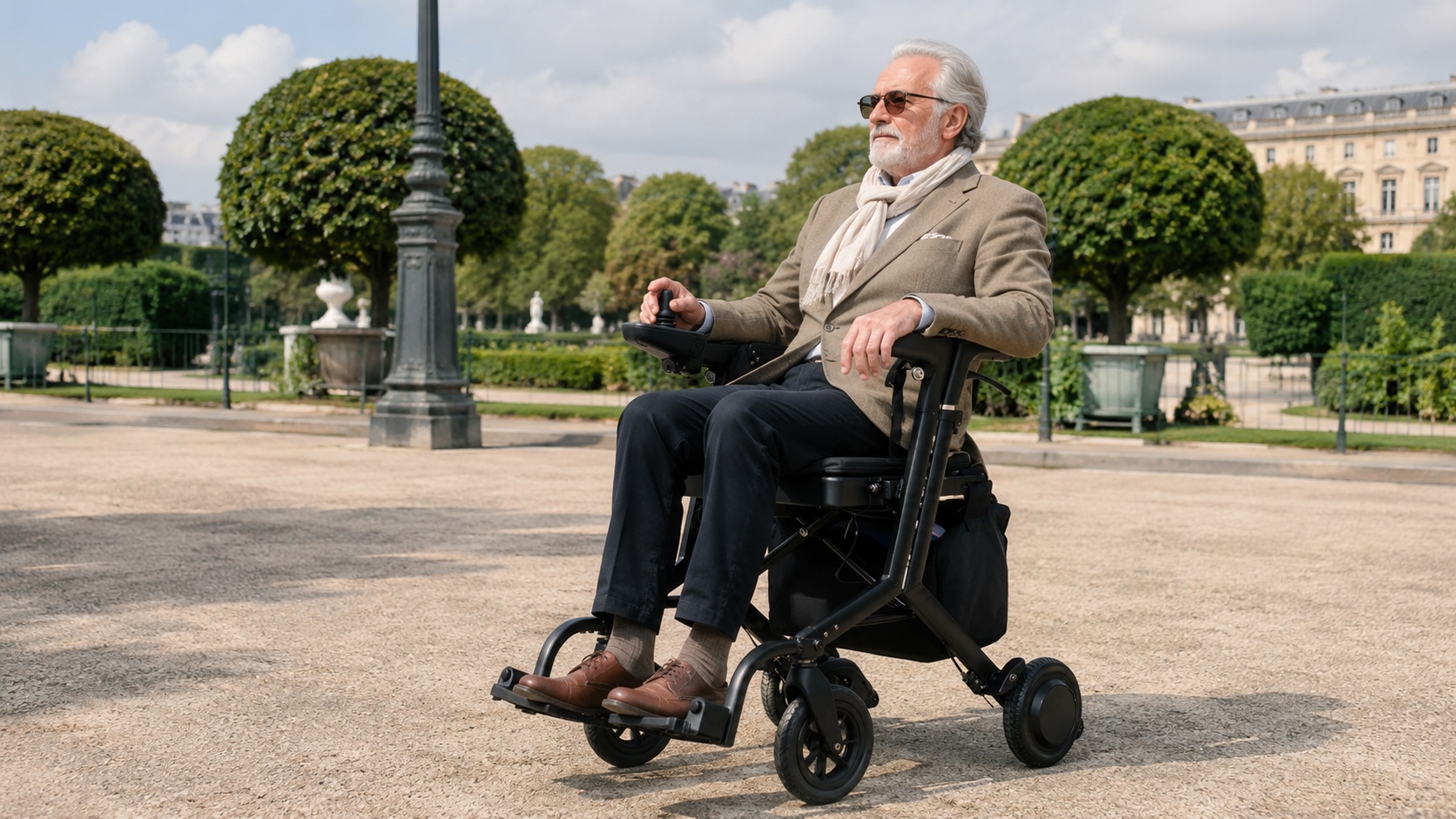
However, smart features should be practical, simple, and reliable. For senior users, technology should improve safety and confidence, not create complexity. Brands should avoid adding smart functions only for marketing. The real value is helping users and caregivers solve daily mobility problems.
By working with an experienced mobility aid manufacturer, brands can respond to market trends with more reliable, user-focused, and market-ready products.
For medical & healthcare brands, the opportunity is not only to sell more products, but to develop mobility aids that better match how seniors actually live, move, recover, and age at home.
The main trends include home-based care, better stability and fit, lightweight folding design, scenario-based product development, modern appearance design, and practical smart features.
Yes. Public market research shows continued growth in senior mobility aid devices driven by aging populations, homecare demand, and greater awareness of assistive products.
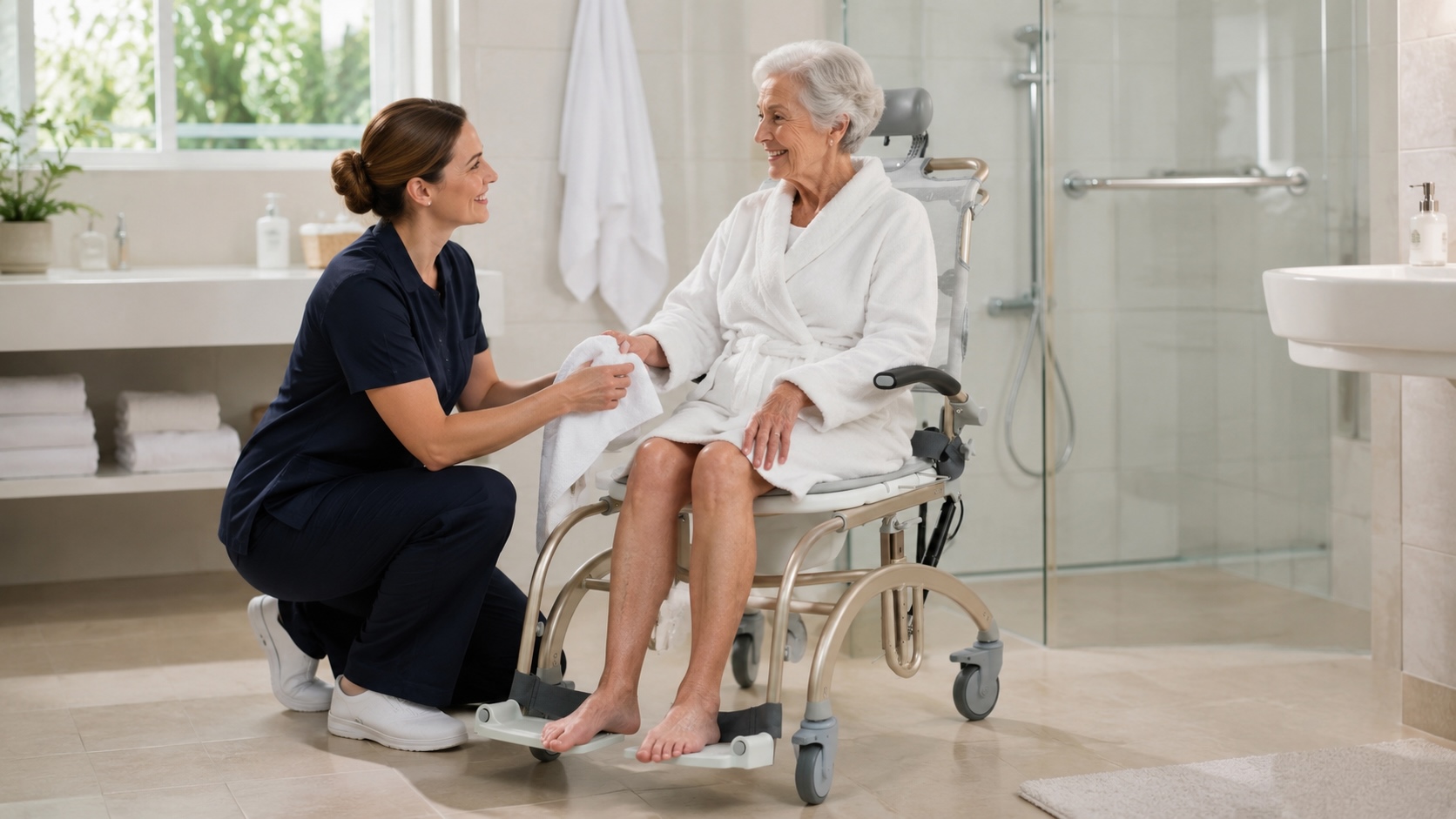
Many older adults prefer to age at home, so mobility aids must be suitable for real home environments, including bedrooms, bathrooms, narrow spaces, and daily caregiver support.
Brands can differentiate products through OEM and ODM customization, including structure, material, color, configuration, logo, packaging, and scenario-based product design.
Yes. Genteel provides OEM and ODM manufacturing solutions for rollators, walkers, shower chairs, commode chairs, patient lifts, and other rehabilitation and homecare products.
World Health Organization. “Assistive Technology.” January 2, 2024.
AARP. “2024 Home and Community Preferences Survey.” December 2024.
Global Market Insights. “Senior Mobility Aid Devices Market Size & Share 2025 - 2034.”
Fact.MR. “Walking Assist Devices Market.” Published May 18, 2026.
Market Data Forecast. “Global Rollator Walker Market Size, Share, Trends & Growth Forecast Report By Wheel Type (Four Wheel and Two Wheel), Power Type, End-User, Distribution Channel, and Region (North America, Europe, Asia Pacific, Latin America, Middle East and Africa) – Industry Analysis (2026 to 2034)” Published April, 2026.
Keywords
mobility aids for seniors
senior mobility aids
mobility aid trends
elderly mobility equipment
walking assist devices
rollator walkers
walkers for seniors
shower chairs
commode chairs
patient lifts
homecare products
OEM & ODM manufacturer